
If your home isn’t getting showings, it’s rarely random it’s usually a reflection of how buyers are reacting to your listing online. In today’s market, most buyers decide whether a home is worth seeing within seconds of scrolling past it. That means factors like photos, pricing, and presentation often matter more than the home itself at first glance. The good news is, once you understand what buyers are noticing, you can start to change how your home is being seen.
The Moment Buyers Decide: Scroll or Click
Most buyers decide whether to see your home in seconds long before they ever step inside.
Today’s home search starts on a phone, usually late at night or between daily routines, where buyers scroll through dozens of listings in minutes. That means your home isn’t being evaluated in isolation it’s being compared instantly against everything else on the market. According to how buyers search for homes online, nearly all buyers begin their search digitally, making your online presence the first showing that truly matters. Even more important, studies show that buyers only spend a few seconds looking at a listing before deciding whether to click or move on. That moment is fast, emotional, and often subconscious. And if your listing doesn’t immediately connect, it gets skipped no matter how great the home actually is.
That’s the reality showings don’t start at the front door anymore they start with a scroll.
What Buyers Actually See First
Buyers don’t see your home they see a version of it shaped by photos, price, and presentation.
When someone lands on your listing, they aren’t analyzing every detail they’re reacting to a few key signals. The first is visual, and it’s powerful home photos are the most important part of a listing. If the images feel dark, cluttered, or uninviting, buyers assume the home itself will feel the same. Next comes pricing, where pricing strategy affects buyer interest immediately (https://www.wsj.com/real-estate/housing-market) because buyers are constantly comparing homes within a similar range. Then comes the headline and description, which either reinforce confidence or introduce doubt. Even subtle wording can influence whether a buyer feels excited or hesitant. And for sellers trying to understand the selling process in North Carolina, this stage is often underestimated but it’s where decisions are already being made.
Buyers don’t need a full picture to form an opinion they just need a few signals that feel off.
Why Good Homes Get Ignored Online
A home can be beautiful in person and still fail to generate interest online.
This is one of the most frustrating realities for sellers, especially those who feel confident in their home’s value. The issue isn’t always the home itself it’s how it translates digitally. In today’s market, buyers are more selective in today’s housing market, largely due to higher borrowing costs and more available options. That means buyers are filtering more aggressively and eliminating homes faster. If your listing doesn’t immediately feel like a strong match, it’s simply skipped rather than reconsidered. This is especially true when buyers are comparing how your home compares to others on the market, often side by side on the same screen. Small differences in presentation can lead to big differences in attention.
Sometimes, it’s not about what’s wrong it’s about what doesn’t stand out enough.
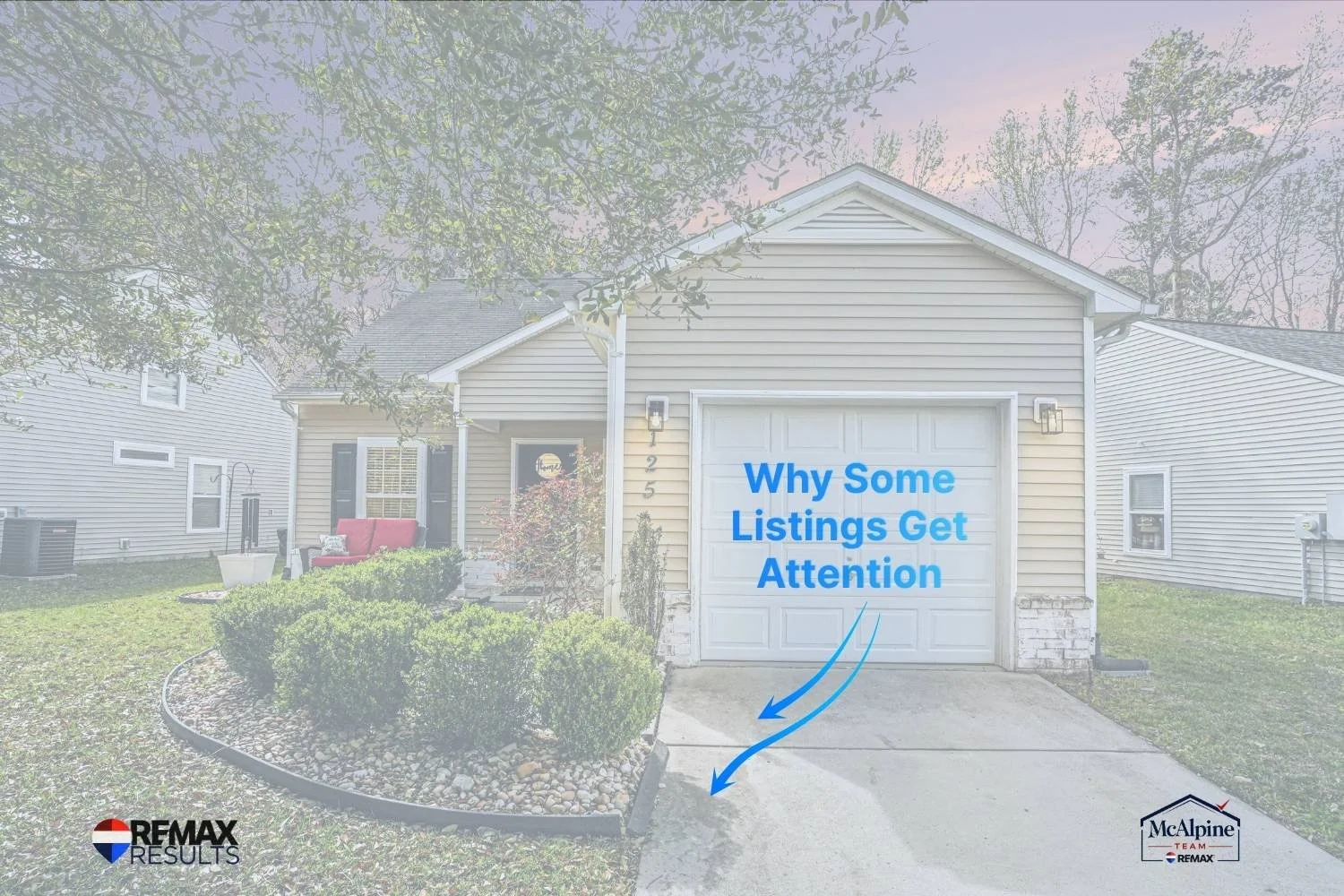
What Makes a Buyer Stop Scrolling
The homes that get showings are the ones that feel right instantly.
Buyers aren’t just looking for features they’re looking for a feeling. When a listing works, it creates clarity, confidence, and curiosity all at once. Strong listings tend to share a few common traits, especially in markets where inventory levels are increasing in competitive markets, giving buyers more choices than before.
Bright, professionally lit photos that feel clean and inviting
A price that aligns clearly with similar homes nearby
A layout that’s easy to understand through images
A description that feels honest and specific not vague
A sense of care and maintenance that builds trust
A visual flow that helps buyers imagine living there
When these elements come together, buyers don’t just notice the home they pause, click, and take the next step.
And that pause is what turns a listing into a showing.
How to Make Your Home Stand Out Before the Showing
Getting more showings often comes down to improving what buyers see before they ever visit.
For many sellers, the solution isn’t a major renovation it’s a shift in how the home is presented. Start by looking at your listing the way a buyer would, quickly and without context. Are the photos bright, clean, and easy to follow, or do they feel inconsistent and unclear. Does the price feel aligned with what else is available, or does it create hesitation. Even small updates like decluttering, adjusting lighting, or refining how the home is described can change how buyers respond. It’s also helpful to understand what your home might be worth in today’s market, especially when pricing plays such a critical role in online engagement. These aren’t dramatic changes, but they are meaningful ones.
Small adjustments in presentation can lead to a noticeable difference in attention.

What This Means for You as a Seller
If your home isn’t getting showings, it’s usually not random it’s a signal.
That signal doesn’t necessarily mean something is wrong with your home, but it does suggest that something isn’t connecting with buyers early enough. In a market like North Carolina, where many buyers are relocating or browsing from a distance, that first impression carries even more weight. Buyers rely heavily on what they see online, and they make quick decisions based on limited information. The good news is that this is something you can influence. By focusing on how your home is presented not just what it offers you can change how buyers respond. And when that response shifts, showings tend to follow.
Because in today’s market, attention is earned before the door ever opens.