When buyers start looking for a home, square footage often gets plenty of attention. An extra bedroom, a larger kitchen, or more storage can certainly make a difference. But there is another question worth asking:
What can you easily reach once you step outside the front door?
In Davidson, the answer can have a meaningful impact on everyday life. Being near restaurants, coffee shops, parks, sidewalks, community activities, or greenways may influence how often you use your neighborhood—and how much driving becomes part of your routine.
For buyers exploring homes for sale comparing square footage is important. But comparing location, connections, and everyday convenience can be just as valuable.
More Space Is Useful—But How Will You Use It?
A larger home can provide room to spread out, work from home, host guests, or create dedicated spaces for hobbies. For many buyers, those benefits are worth prioritizing.
The trade-off is that gaining more square footage can sometimes mean looking farther from the places you visit most often. That might translate into additional driving for coffee, dinner, parks, errands, or community activities.
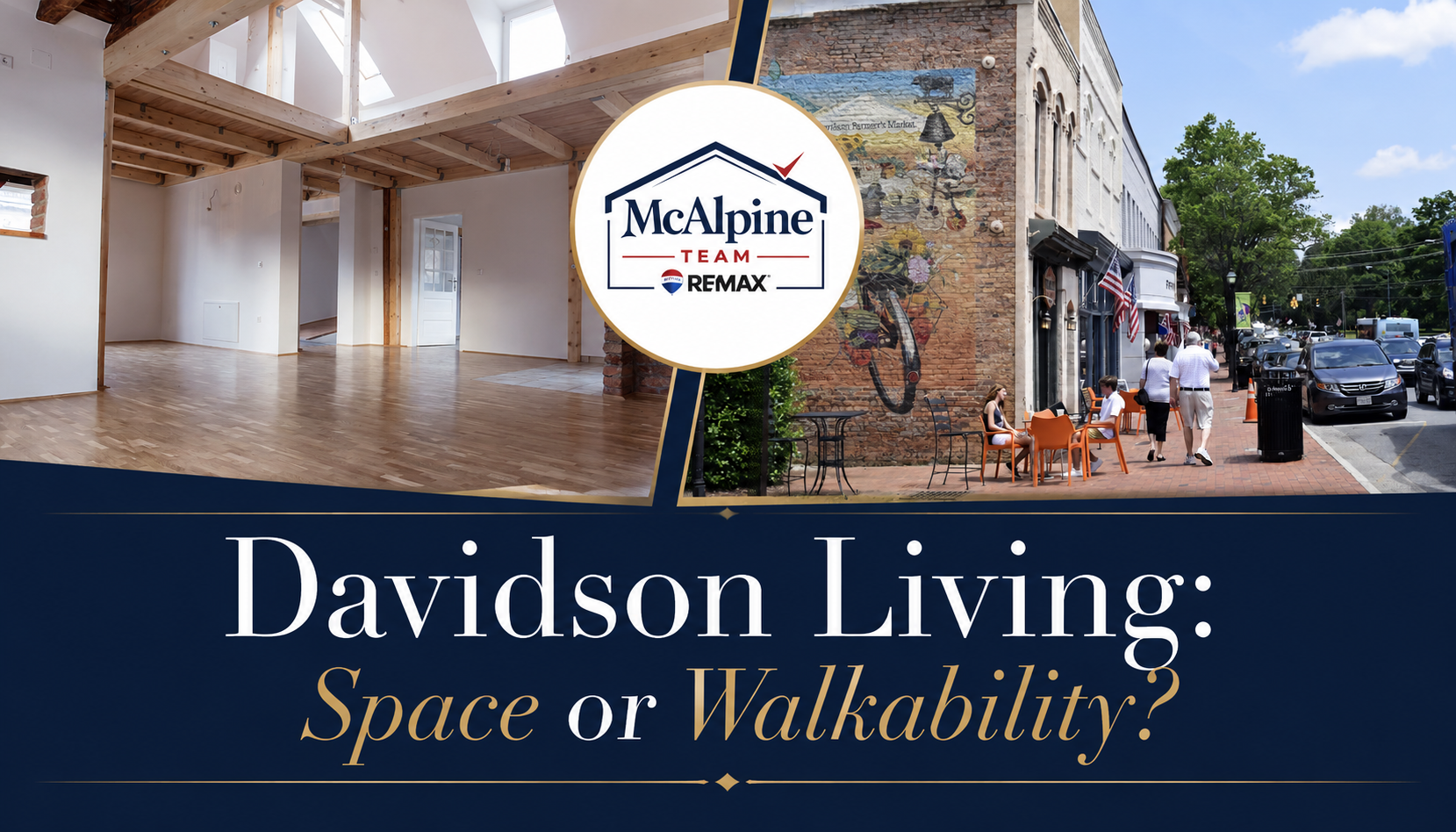
There is no universally correct choice. A buyer who spends most of the week at home may value another 500 square feet more than being close to downtown. Someone who enjoys getting outside, meeting friends, or making quick trips without always getting into the car may feel differently.
National research suggests that this trade-off matters to many consumers. The National Association of REALTORS®' 2026 Community and Transportation Preferences Survey found that Americans continue to place a high value on walkable communities and convenient access to parks, shops, restaurants, schools, and other everyday destinations.
Look at Where the Sidewalks Actually Take You
It is easy to notice sidewalks during a home tour. What matters more is whether those sidewalks connect to places you would realistically use.
Can you get to a park? Is there a comfortable route toward downtown? Are there useful connections between residential streets, businesses, recreation areas, and other destinations?
Davidson has made multimodal transportation part of its long-term planning. The town's Davidson Mobility Plan calls for a connected network designed for pedestrians, cyclists, transit riders, and drivers.
For buyers, that is a reminder to evaluate the actual route—not simply a home's distance from a destination on a map.
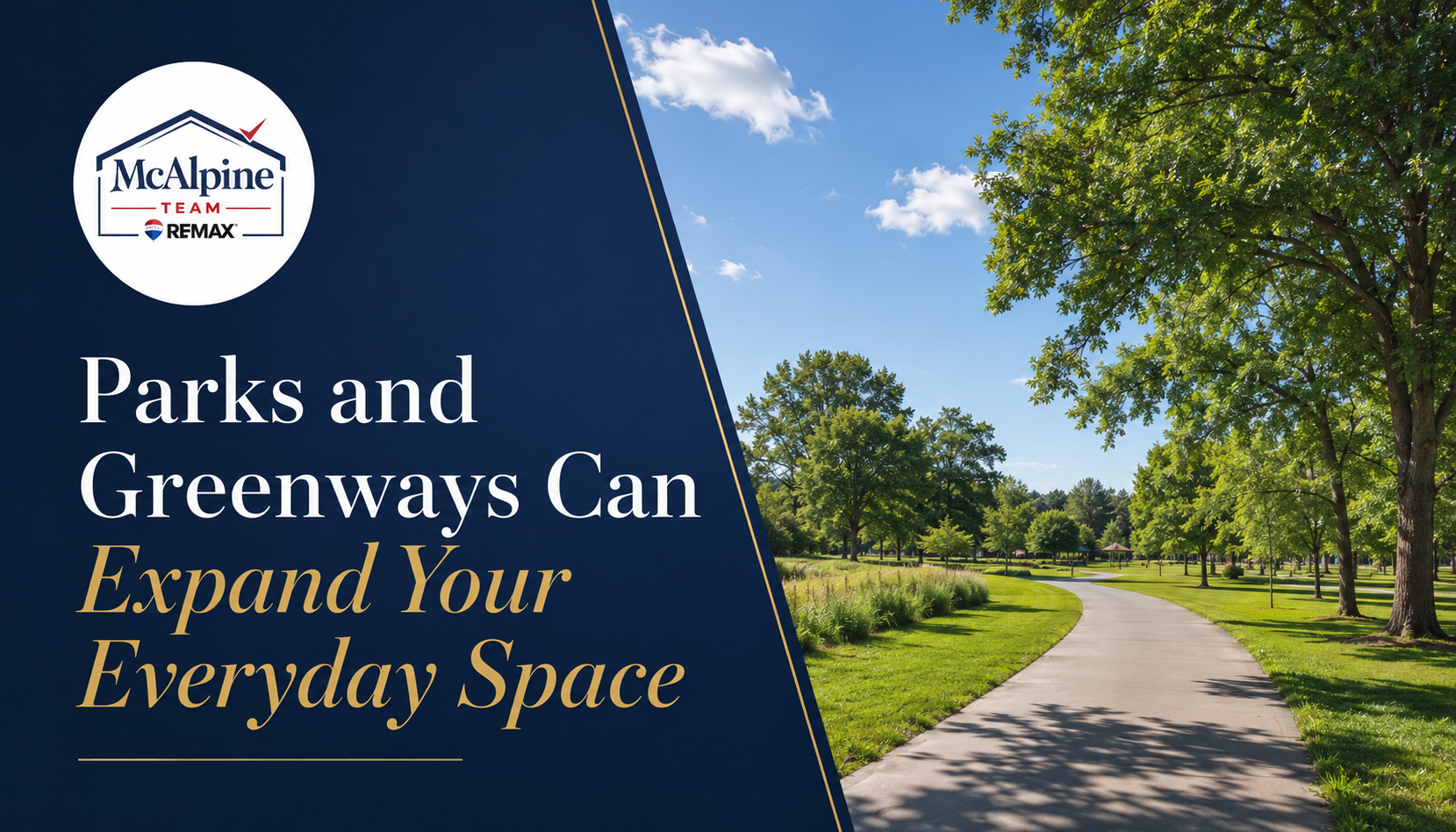
Parks and Greenways Can Become Part of Your Routine
Walkability does not have to mean living directly beside restaurants and shops. Access to outdoor recreation can matter just as much.
Davidson's planning documents also emphasize pedestrian connections, greenways, and routes that make walking and cycling part of the broader transportation network. Davidson transportation and mobility planning can change how you evaluate a property. A home with a smaller yard but convenient access to trails or parks may provide plenty of usable outdoor space for the way you actually live. On the other hand, buyers who value privacy, gardening, pets, or entertaining at home may still prefer a larger private yard.
Neither choice is better on its own. The important question is where you expect to spend your time.
Everyday Convenience Can Be Worth More Than an Extra Room
Imagine comparing two homes.
One gives you more interior space but requires a drive for nearly every errand or activity. The other is smaller, but coffee, dinner, a park, or a community destination may be easier to reach.
Which home feels more convenient depends entirely on your routine.
Davidson's 2026 Community Survey provides useful local context. About nine in ten respondents gave high marks to ease of walking, and 96% identified walkability and preserving the tree canopy as priorities for maintaining or improving quality of life in Davidson.
For buyers, the takeaway is not that you should sacrifice space. It is that usable space extends beyond the walls of the home.
Decide Based on Your Real Routine
Before deciding that you need a certain number of square feet, think through an ordinary week.
Where do you go for coffee or dinner? How often do you use parks or trails? Would you actually walk to nearby destinations? How much yard do you want to maintain? Would another room improve your life more than being closer to the places you already enjoy?
Then tour homes with those priorities in mind.
A smaller home in the right location can sometimes feel more useful than a larger house that adds time to every trip. For another buyer, the extra interior and outdoor space may easily outweigh that convenience.
If you are comparing homes in Davidson and trying to balance space, location, and everyday lifestyle, talk with The McAlpine Team.
We can help you evaluate the property and the surrounding community so your decision reflects how you actually want to live.