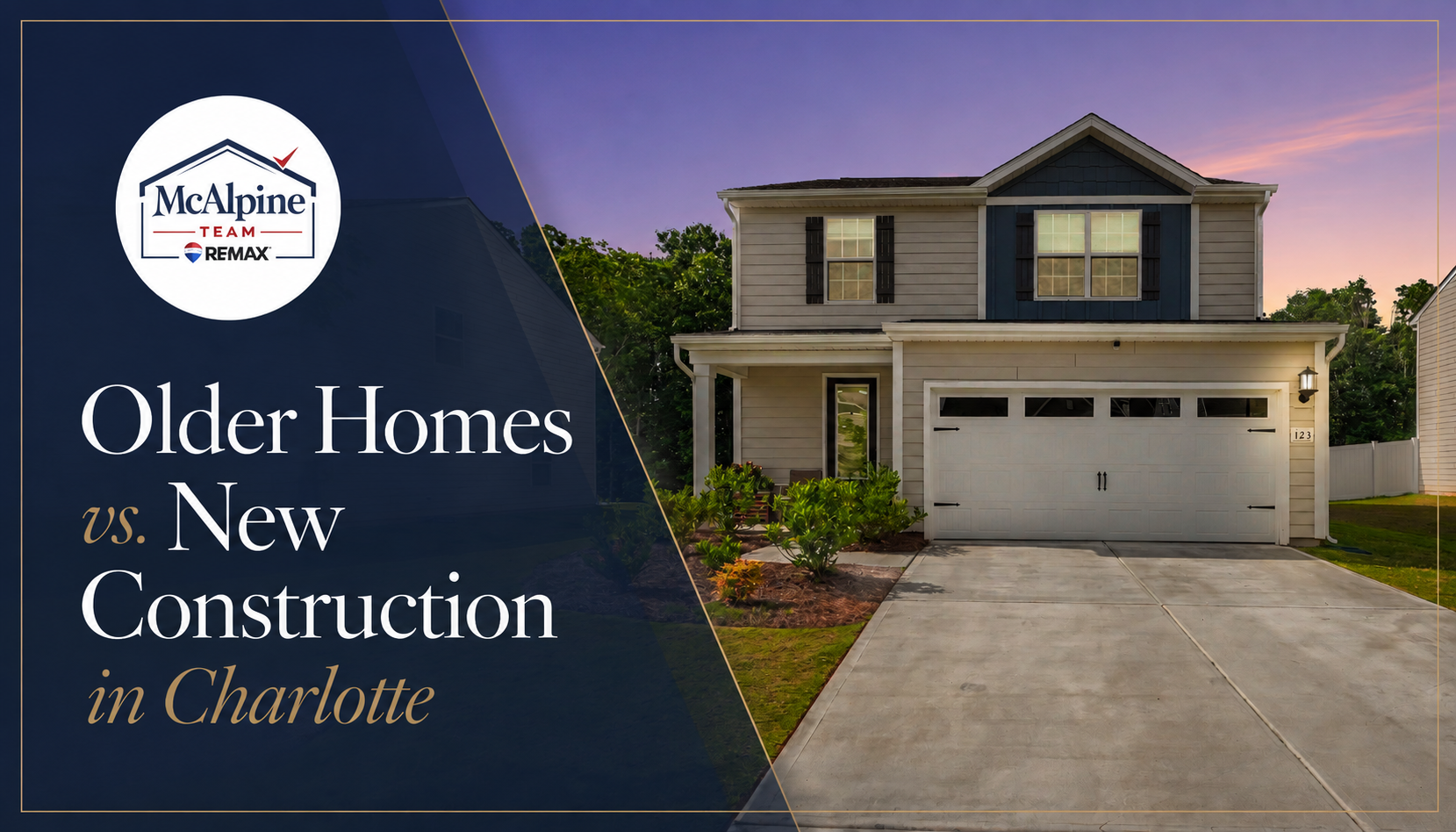
Charlotte buyers can compare the character of established homes with the features and convenience often found in newer construction.
Buying a home in Charlotte often means choosing between two very different experiences: an established neighborhood with mature landscaping and architectural character, or a newer community designed around modern layouts and planned amenities.
Neither option is automatically better. The right fit depends on how you want to live, what you value at home, and how much maintenance you are comfortable taking on. Buyers exploring homes for sale in Charlotte can make a more confident decision by looking beyond square footage and comparing the lifestyle each type of neighborhood offers.
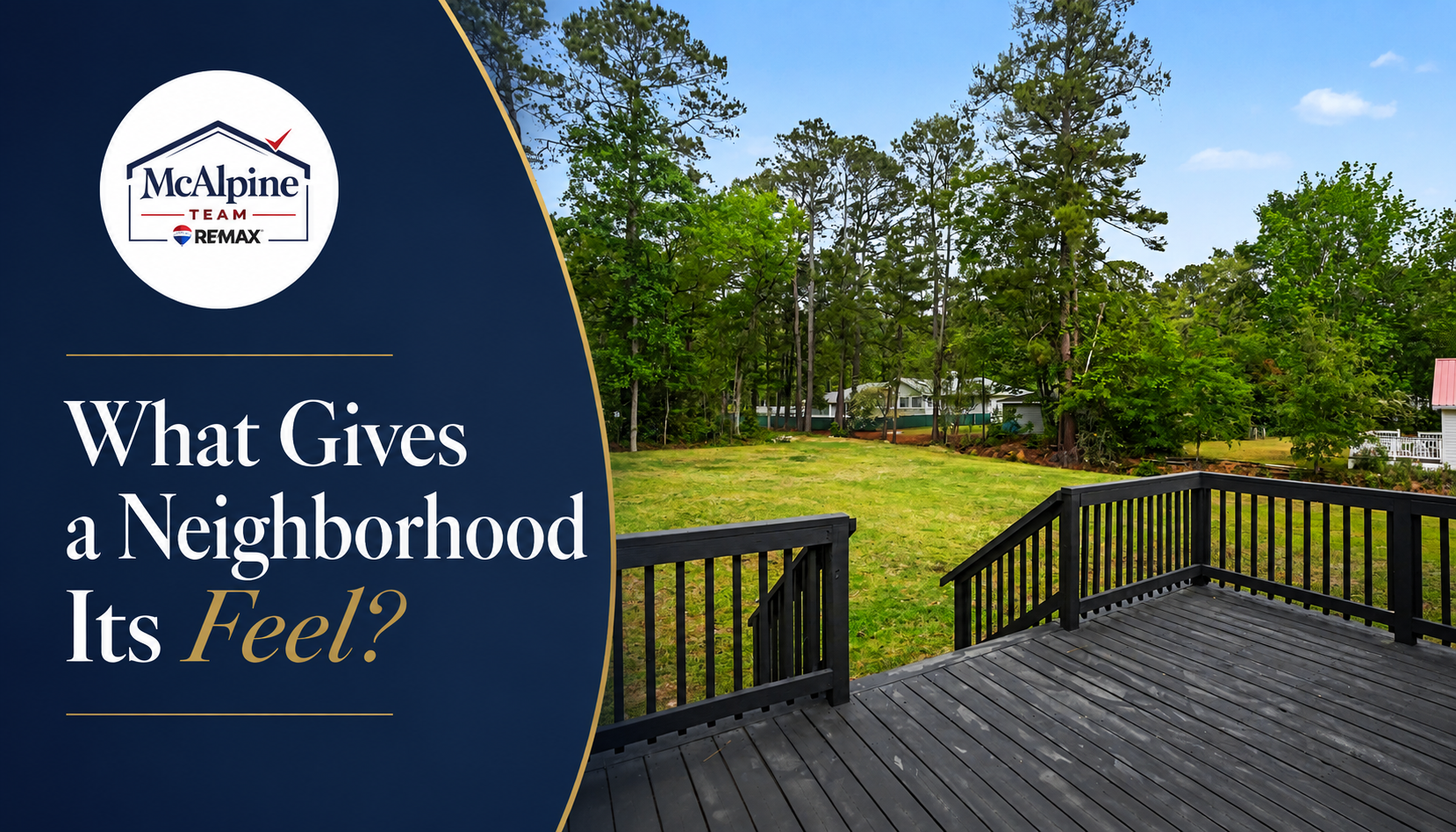
Trees, Lot Sizes, and Neighborhood Character
One of the first things buyers may notice in an established Charlotte neighborhood is the landscaping. Mature trees, older plantings, and homes built over several decades can give a street a settled, distinctive feel.
Older neighborhoods may also offer larger lots in some areas, although lot size varies considerably by location, price point, and when the community was developed. Architectural styles may be more varied as well, which can appeal to buyers who prefer homes that do not all look the same.
Newer communities often feel more planned and consistent. Landscaping is younger, streetscapes may be more uniform, and lots can sometimes be more compact. That reflects a broader trend as builders respond to affordability with smaller homes and more efficient designs.
For some buyers, a smaller lot means less yard work. For others, mature trees and additional outdoor space are worth prioritizing. Think about how much yard you will actually use and what kind of surroundings you want to see every day.
Maintenance: How Much Do You Want to Take On?
The age of a home does not tell you everything about its condition, but it should influence the questions you ask.
With an older property, buyers may want to pay particularly close attention to the roof, HVAC system, plumbing, electrical components, windows, drainage, insulation, and previous renovations. A carefully maintained older home may be in excellent condition, while deferred maintenance can create larger expenses after closing.
New construction can reduce the likelihood that major systems will need replacement right away, and builder warranties may provide additional protection. But new should never be treated as maintenance-free. Buyers should understand warranty coverage, review construction details, and still consider an independent home inspection.
The better question is not simply, “How old is this house?” It is, “What will this particular house require from me over the next several years?”
Amenities, Sidewalks, and Everyday Living
The neighborhood outside your front door can matter just as much as the home itself.
Many newer communities are planned with amenities such as pools, clubhouses, trails, playgrounds, green spaces, and sidewalks. These features can add convenience and opportunities to spend time outdoors, although buyers should also review homeowners association dues, rules, and responsibilities.
Established neighborhoods can vary much more. Some offer sidewalks and easy access to parks, restaurants, or shops, while others were designed primarily around driving.
That distinction matters to many buyers. The National Association of REALTORS® 2026 Community and Transportation Preferences Survey found strong consumer interest in sidewalks, nearby amenities, and communities where everyday destinations are easier to reach.
When touring homes, do not stop at whether a neighborhood has sidewalks. Consider where they actually lead and whether the area's layout works with your normal routines.
Newer Construction Often Prioritizes Modern Function
One potential advantage of newer homes is that their floor plans are usually designed around current lifestyle preferences.
Open kitchen and living spaces, larger pantries, flexible rooms, improved storage, updated wiring, energy-efficient materials, and spaces that can serve as home offices or guest rooms are common priorities in today's market.
Recent housing trends in 2026 also show builders paying more attention to flexible spaces, outdoor amenities, and features that reflect changing buyer needs.
Charlotte itself continues to see new development across the area, including projects that combine housing with parks, trails, retail, and other community features.
That does not mean an older home cannot offer the same functionality. Renovations can dramatically change how an established home lives. Buyers simply need to determine whether those updates are already in place or whether they are comfortable taking them on later.

The right home choice depends on how its space, surroundings, upkeep, and community features fit your everyday life.
Which Charlotte Lifestyle Fits You?
Instead of asking whether older homes or new construction are better, compare both options against your day-to-day priorities.
How much yard do you want to maintain? Do mature trees matter to you? Would you use a community pool or walking trail? How comfortable are you with repairs and future renovations? Are there interior features you consider non-negotiable?
Most importantly, compare individual homes rather than assumptions. A beautifully updated older home may require less work than expected, while a new home may offer less outdoor space or fewer amenities than another community nearby.
Charlotte gives buyers a wide range of housing choices. Understanding the tradeoffs before you narrow your search can make it easier to recognize the right fit when you find it.
If you are deciding between an established Charlotte neighborhood and newer construction, talk with The McAlpine Team. We can help you compare properties, neighborhood features, and long-term considerations so you can make your next move with confidence.